Esės
Rašinys apie "Doriano Grėjaus portretą" anglų kalba


The Portrait of Narcissism: Dorian Gray's Descent into Self-Worship
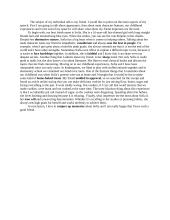
Oscar Wilde's "The Picture of Dorian Gray" delves into the complex and destructive nature of narcissism through the character of Dorian Gray. As the protagonist of the novel, Dorian's life becomes a canvas for his increasing obsession with self-indulgence and physical beauty. The portrait, serving as a symbolic reflection of his true self, becomes a powerful metaphor for the consequences of unchecked narcissism. Dorian Gray, a young and handsome man, initially captivates readers with his charm and physical attractiveness. His aesthetic pursuits and hedonistic lifestyle reflect the society of Victorian England, where appearances often took precedence over moral values. Dorian's immersion in his own image, both literally and figuratively, is a manifestation of the allure of narcissism that Wilde seeks to explore. The magical portrait painted by Basil Hallward becomes a pivotal element in Dorian's descent into narcissism. The painting, hidden away in the attic, ages and bears the consequences of Dorian's immoral actions, while Dorian himself remains untouched by the passage of time. This separation of physical appearance from moral degradation serves as a metaphor for the dual nature of narcissism, where the outer facade can mask a deteriorating inner self. The Decay of Morality. As Dorian becomes increasingly absorbed in his own beauty and pleasure, he sheds any sense of moral responsibility. His relationships with others become mere tools for his self-gratification, and he discards genuine emotions for a superficial pursuit of pleasure. The portrait, meanwhile, transforms into a grotesque representation of his moral decay, contrasting sharply with his eternal youth and beauty. Dorian's narcissistic journey is not without consequences. His moral corruption and the toll it takes on his relationships lead to a profound loneliness and isolation. The portrait becomes a haunting reminder of his sins, and its grotesque appearance mirrors the monstrous nature of his soul. Dorian's inability to face the reflection of his true self reveals the destructive power of narcissism when taken to extremes. "The Picture of Dorian Gray" serves as a cautionary tale about the perils of unchecked narcissism. Through the character of Dorian Gray and the symbolic portrait, Oscar Wilde explores the consequences of a life consumed by self-indulgence and the relentless pursuit of physical beauty. The novel highlights the superficiality of a life centered on appearances and serves as a timeless reminder that true fulfillment comes from a balanced and morally grounded existence, rather than an obsessive fixation on one's own reflection.
Šį darbą sudaro 411 žodžiai, tikrai rasi tai, ko ieškai!
★ Klientai rekomenduoja
Šį rašto darbą rekomenduoja mūsų klientai. Ką tai reiškia?
Mūsų svetainėje pateikiama dešimtys tūkstančių skirtingų rašto darbų, kuriuos įkėlė daugybė moksleivių ir studentų su skirtingais gabumais. Būtent šis rašto darbas yra patikrintas specialistų ir rekomenduojamas kitų klientų, kurie po atsisiuntimo įvertino šį mokslo darbą teigiamai. Todėl galite būti tikri, kad šis pasirinkimas geriausias!
Norint atsisiųsti šį darbą spausk ☞ Peržiūrėti darbą mygtuką!
- Anglų kalbos esė
- 2 psl., (411 ž.)
- Word failas 11 KB
- Lygis: Mokyklinis
 Atsisiųsti šią esę
Mūsų mokslo darbų bazėje yra daugybė įvairių mokslo darbų, todėl tikrai atrasi sau tinkamą!
 Panašūs darbai


Privalumai
 Darbo pakeitimo garantija
Atsisiuntei rašto darbą ir neradai jame reikalingos informacijos? Pakeisime jį kitu nemokamai.
 Gauk 25% nuolaidą
Pirkdamas daugiau nei vieną darbą, nuo sekančių darbų gausi 25% nuolaidą.
 Greitas aptarnavimas
Išsirink norimus rašto darbus ir gauk juos akimirksniu po sėkmingo apmokėjimo!
Atsiliepimai